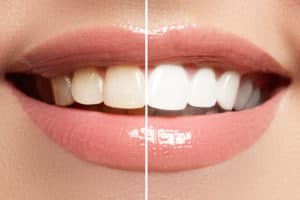
Professional Teeth Whitening Services
Professional teeth whitening procedures have effectively restored the smile of people with stained, dull, or discolored teeth.
The darker tissue of your teeth, the dentin, can become exposed as the outer layer of enamel is worn away by the effects of aging or things like caffeine and tobacco.
Food particles are naturally attracted to a tooth’s enamel by a certain protein. Products like coffee and tea, berries, and soy sauce are notorious for staining teeth. Over time, teeth actually become more absorbent and vulnerable to staining from food and other substances.
One type of stain—caused by traumatic injuries, medications, and fluorosis—actually begins inside the tooth; brushing and flossing don’t help. Another type of stain—one that can be more easily attacked by brushing, flossing, and rinsing—is caused by external factors such as foods.
More and more people today are choosing tooth-whitening procedures to reverse the effects of aging and abuse from food and tobacco stains.
Some commercially available “whitening toothpastes” can be somewhat effective at removing stains and making teeth a few shades brighter. However, many of these products have abrasive substances that can actually wear away your tooth’s enamel.
Whitening agents actually change the color of your teeth, but only are effective on certain types of stains. For example, bleaching agents have a difficult time removing brownish or grayish stains. These products also are not as effective on pitted or badly discolored teeth, or on restorations such as crowns, bridges, bonding, and tooth-colored fillings (porcelain veneers or dental bonding may be more appropriate in this case).
Professional whitening performed by our office is considered to be the most effective and safest method; done properly, tooth whitening can last as long as five years. Over-the-counter whitening systems are somewhat effective as long as they are monitored and directions followed closely.
Frequently Asked Questions (FAQ) – Professional Teeth Whitening
1. What causes teeth to become stained or discolored?
Teeth stains result from both external and internal factors. External stains come from foods and drinks like coffee, tea, red wine, berries, soy sauce, and tobacco. Over time, enamel thins due to aging and wear, exposing the darker dentin underneath, making teeth look more yellow. Internal stains may occur due to trauma, certain medications (like tetracycline), excessive fluoride (fluorosis), or tooth decay.
2. How does professional teeth whitening work?
Professional whitening uses safe and effective bleaching agents, typically hydrogen peroxide or carbamide peroxide, to break down stain molecules inside the enamel. This process lightens teeth several shades in one session, with customized treatment plans designed by dental professionals to maximize results and minimize sensitivity.
3. Are whitening toothpastes effective?
Whitening toothpastes mainly remove surface stains through mild abrasives. While they can brighten teeth slightly, they don’t change the natural tooth color and can sometimes wear down enamel if overused. They are less effective for deeper or intrinsic stains.
4. Can whitening treatments remove all types of stains?
No. Whitening treatments are most effective on stains caused by foods, drinks, and smoking. Brownish or grayish stains from medications or trauma, as well as discoloration from dental restorations (crowns, bridges, fillings), often do not respond well. For these cases, alternatives like porcelain veneers or bonding may be recommended.
5. Is professional whitening safe for my teeth?
Yes. When performed under professional supervision, whitening is safe and designed to protect enamel and gums. Dentists assess your oral health first to avoid whitening teeth with untreated decay or gum disease, which could increase sensitivity or cause damage.
6. How long does professional whitening last?
With proper dental hygiene and avoiding stain-causing habits, whitening results can last up to five years. Touch-up treatments may be needed periodically to maintain brightness, especially if you consume staining foods or tobacco.
7. Can I use over-the-counter whitening products instead of professional treatment?
While some over-the-counter products offer convenience and lower cost, they contain lower concentrations of bleaching agents and may not provide consistent or long-lasting results. Improper use can cause tooth sensitivity or uneven whitening. Professional whitening ensures safety, efficacy, and customized care.
8. Are there any side effects or risks?
Some patients experience temporary tooth sensitivity or mild gum irritation after whitening. These effects are usually short-lived and manageable with professional advice and desensitizing products. A thorough dental exam prior to treatment minimizes risks.
9. How should I care for my teeth after whitening?
Avoid foods and beverages that stain (coffee, tea, red wine, dark berries) for at least 48 hours post-treatment. Maintain regular brushing, flossing, and dental checkups. Using a whitening toothpaste or touch-up trays recommended by your dentist can help prolong results.
10. Can everyone get professional teeth whitening?
Most healthy adults are candidates, but whitening is not recommended for pregnant or breastfeeding women, children under 16, or people with certain dental conditions like extensive decay or gum disease until these issues are treated.